Strategic Alliances in Digital Spaces: How Card and Board Traditions Shape Real-Time Puzzle and Action Flows Within Browser Multiplayer Arenas
Petra Foster · Aug 18, 2026
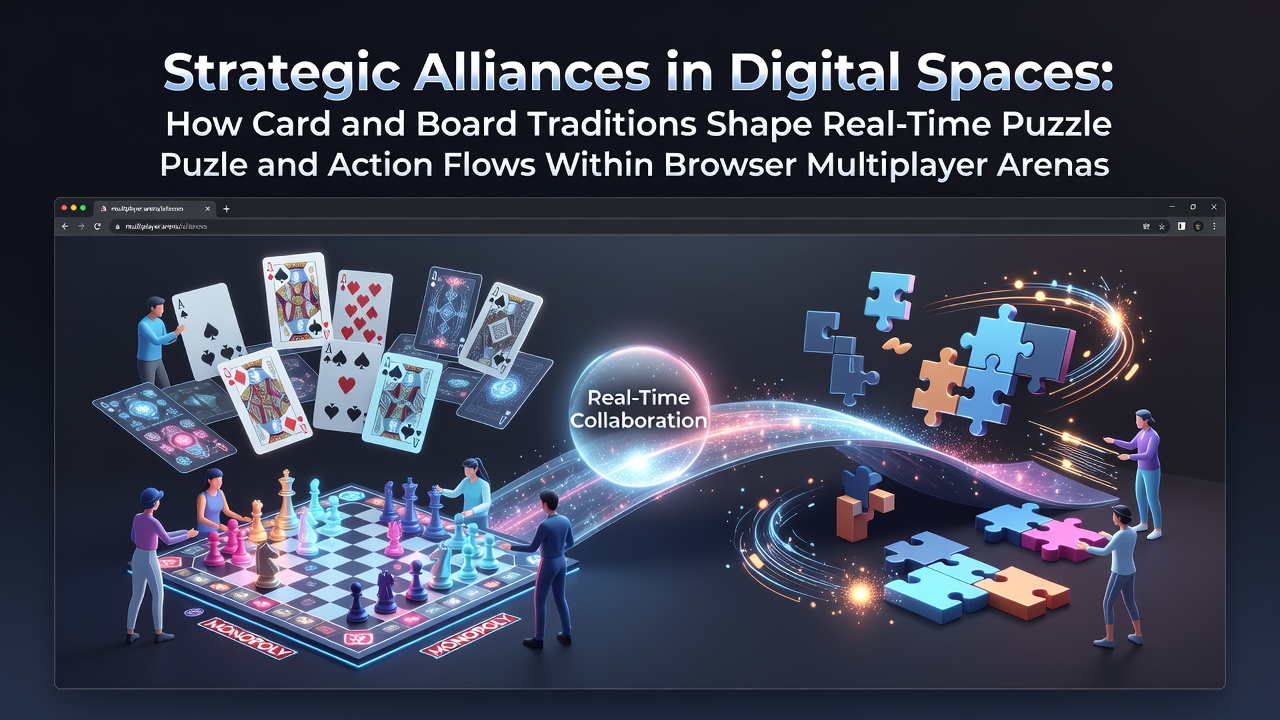
Strategic Alliances in Digital Spaces: How Card and Board Traditions Shape Real-Time Puzzle and Action Flows Within Browser Multiplayer Arenas
Browser multiplayer arenas have incorporated elements from centuries-old card and board games into their core systems, where strategic alliances emerge through shared objectives and timed interactions that mirror classic gameplay patterns. Researchers at institutions such as the Massachusetts Institute of Technology have documented how mechanics like resource negotiation and cooperative problem-solving transfer from physical tables to digital interfaces, creating flows that blend puzzle resolution with action sequences. Data from the Entertainment Software Association indicates that browser-based titles accounted for a significant portion of multiplayer engagement in North America during 2025, with alliance-building features driving repeat participation across platforms.
Foundations from Traditional Card and Board Systems
Card games such as bridge and poker established frameworks for partnership formation and information asymmetry that now appear in real-time digital environments, where players must coordinate without full visibility of opponents' holdings. Board games like Risk and Diplomacy contributed territorial control and negotiation layers that translate into arena-style maps, allowing participants to form temporary coalitions during puzzle phases. Observers note that these traditions emphasize sequential decision points, which developers adapt into browser timers that force rapid alliance adjustments before action windows close.
Studies from the European Games Developer Federation reveal that many contemporary browser arenas retain turn-based roots even within continuous play loops, using phase markers to segment collaboration from competition. This structure preserves the deliberate pacing of physical games while accommodating multiple users across different time zones, resulting in alliance dynamics that evolve through chat overlays and shared action queues.
Translation into Real-Time Puzzle Mechanics
Puzzle elements in browser arenas often require synchronized inputs from allied players, drawing directly from cooperative board game precedents such as Pandemic, where collective strategy overcomes individual limitations. Action flows integrate these puzzles by layering movement restrictions and resource exchanges that echo card-trading sequences, compelling teams to balance immediate threats against long-term positioning. Industry reports compiled by the Interactive Games and Entertainment Association in Australia show rising adoption of such hybrid systems in titles released through 2026, particularly those emphasizing cross-device accessibility without dedicated clients.
Developers achieve this integration by embedding alliance visibility tools that highlight compatible player states, similar to how board game components physically signal cooperation opportunities. Real-time constraints then introduce variability, as latency or staggered logins disrupt planned sequences and force adaptive responses that physical games handled through house rules or verbal adjustments.
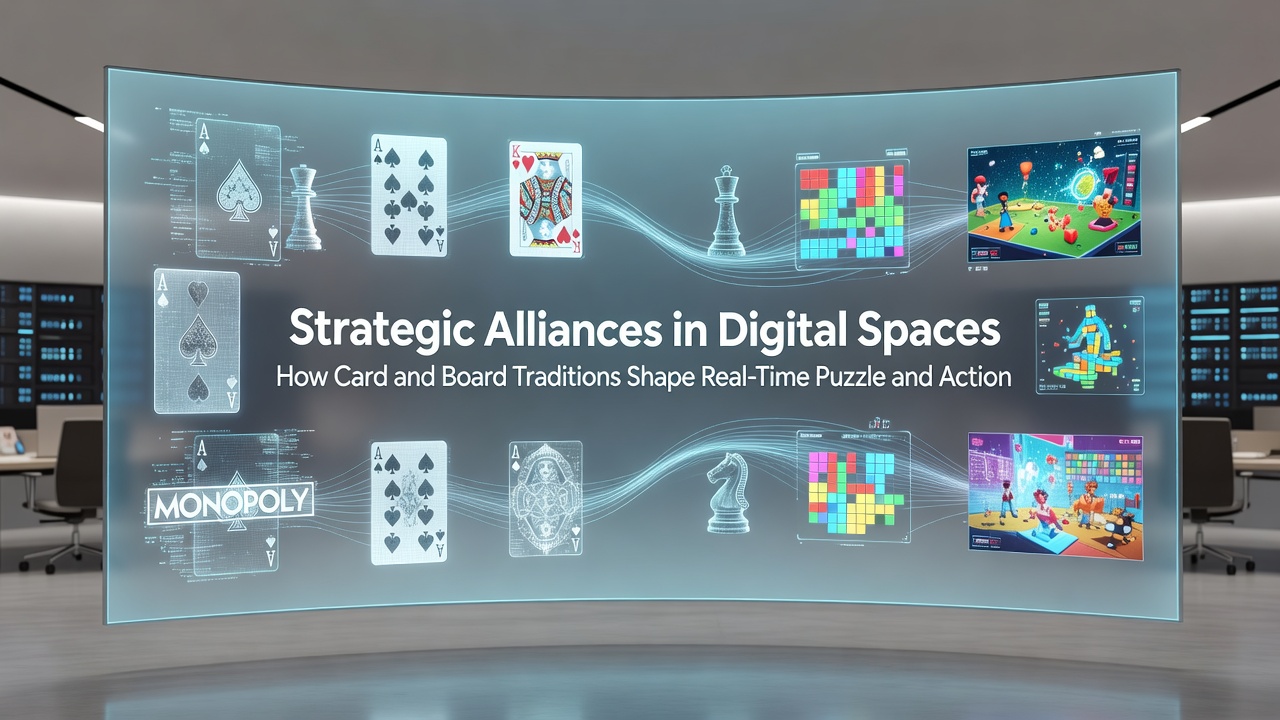
Alliance Formation and Evolution in August 2026 Contexts
By August 2026, browser arena platforms had expanded alliance tracking features to include persistent reputation scores derived from historical performance data, allowing new entrants to evaluate potential partners based on patterns observed in prior sessions. These systems build on card game scoring traditions that reward consistent collaboration, yet they operate continuously rather than resetting per match. Regulatory updates from bodies such as Canada's provincial gaming authorities have encouraged transparent display of these metrics to maintain fair participation across regions.
Action sequences within these environments frequently interrupt puzzle resolution, requiring allied groups to shift focus rapidly when external events trigger, a dynamic that parallels sudden reversals in board games like Monopoly. Data compiled through university-led analyses indicates that successful alliances in browser settings tend to form around complementary skill distributions, where one participant handles spatial navigation while another manages timing elements.
Comparative Influence Across Game Genres
Real-time strategy arenas draw more heavily from chess-derived positioning logic, whereas puzzle-heavy modes incorporate elements from tile-placement games such as Carcassonne to guide collective map expansion. Browser implementations compress these influences into session lengths that fit typical web usage patterns, with alliance benefits accruing through shared progress bars rather than physical token accumulation. Figures from the Japan External Trade Organization highlight growth in Asian browser markets during 2026, where localized versions adapt alliance rules to reflect regional board game preferences for harmony over confrontation.
Observers have tracked how these adaptations affect flow states, noting that seamless transitions between puzzle cooperation and action competition maintain engagement when latency remains below established thresholds. External factors like browser update cycles can alter input responsiveness, prompting developers to refine alliance synchronization protocols accordingly.
Conclusion
Strategic alliances within browser multiplayer arenas continue to evolve through deliberate incorporation of card and board game principles, producing structured yet dynamic interactions that support both puzzle resolution and action execution. Industry data and academic examinations confirm the persistence of these influences across expanding user bases, with technical refinements ensuring compatibility across devices and regions as of August 2026.