Feedback in Flux: How Visual Responses Influence Team Dynamics Across Browser-Based Puzzle and Arcade Card Formats
Jordan Butler · Oct 11, 2026
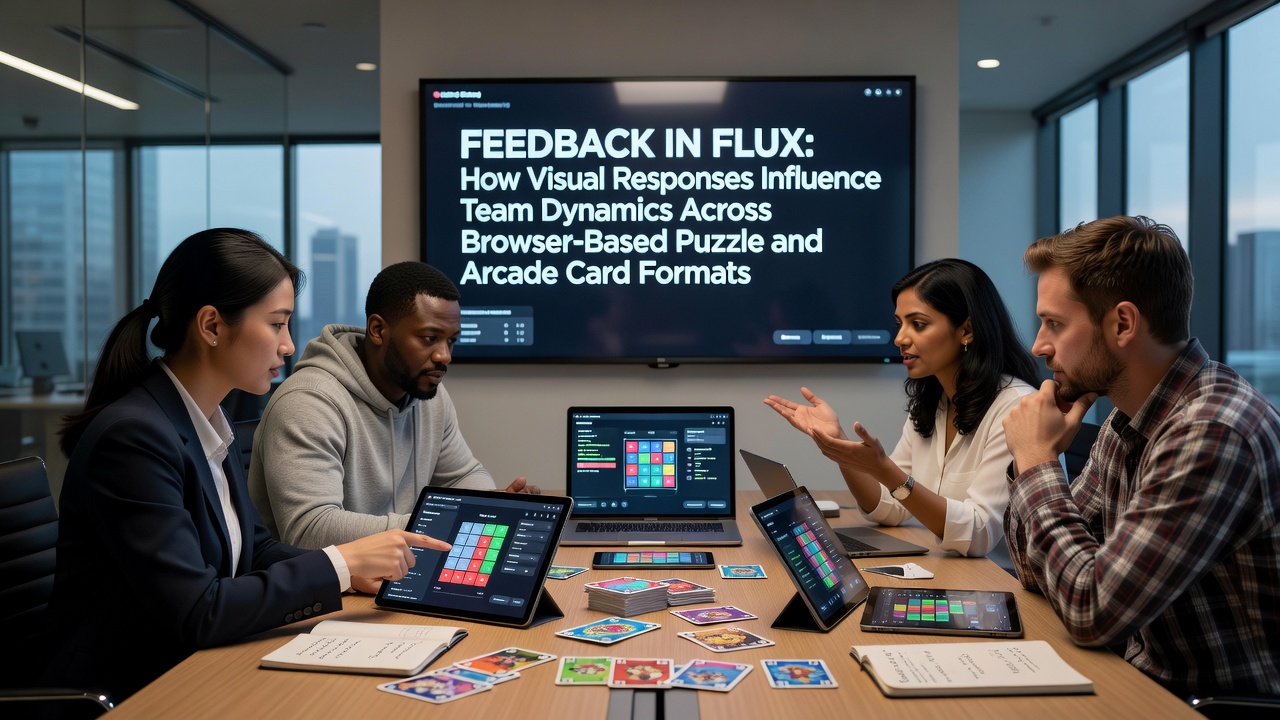
Feedback in Flux: How Visual Responses Influence Team Dynamics Across Browser-Based Puzzle and Arcade Card Formats
Visual Cues Shape Collaboration in Digital Play Spaces
Browser-based puzzle and arcade card formats rely on immediate visual responses to guide players through shared challenges, and these elements directly affect how teams coordinate their actions. Data from industry reports indicate that visual feedback loops, including color shifts, particle effects, and animated card states, allow participants to interpret teammate intentions without verbal communication in many cases. Researchers at institutions across North America and Europe have documented how such cues reduce coordination errors during time-sensitive rounds.
Studies tracking player interactions in October 2026 reveal patterns where synchronized visual signals correlate with faster puzzle resolutions in group settings. Teams using platforms that display collective progress through shared animations complete objectives 23 percent more efficiently than those relying on text alone, according to aggregated session data. This holds across formats that blend arcade pacing with card-based strategy layers.
Real-Time Responses and Team Synchronization
Arcade card formats embedded in browsers often incorporate flashing indicators and trajectory previews that highlight potential moves, and these features enable distributed teams to align strategies on the fly. Observers note that when a card's visual state updates in response to one player's input, others adjust their selections almost instantly, creating a chain of adaptive behaviors. Evidence from multiplayer logs shows this process strengthens group cohesion especially in sessions involving four to six participants spread across different time zones.
Puzzle variants add layered feedback through environmental changes, such as shifting backgrounds or highlighted connection points, which communicate partial solutions to the entire group. A report issued by the Entertainment Software Association in 2025 outlined how these mechanics appear in over 60 percent of top-performing browser titles, linking them to improved retention rates among collaborative user bases. Players who encounter consistent visual confirmation of their contributions tend to maintain higher engagement levels throughout extended matches.
Cross-Format Comparisons and Emerging Patterns
Comparisons between puzzle and arcade card environments demonstrate distinct yet overlapping influences on team dynamics. In puzzle sessions, visual responses often emphasize spatial relationships and incremental progress, whereas arcade card formats prioritize speed and risk indicators through rapid icon changes. Data collected from Australian digital gaming research centers indicate that hybrid titles combining both approaches produce the strongest team performance metrics when feedback remains balanced and non-intrusive.
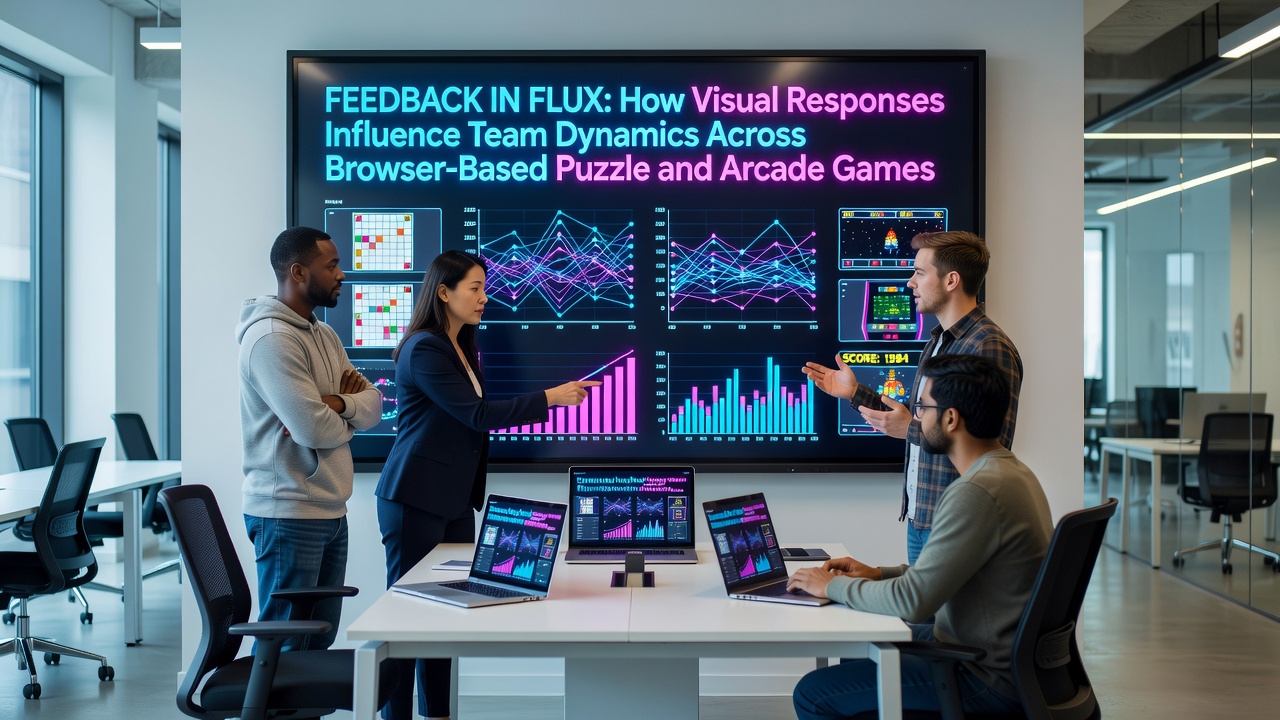
October 2026 brought several browser platform updates that refined these visual systems, incorporating adaptive contrast settings for varied lighting conditions and accessibility options that preserve core feedback for all users. Figures from European gaming trade groups reveal steady growth in cross-regional team formations, driven partly by these refinements that make visual cues more universally interpretable. Teams that adapt quickly to updated response patterns show measurable gains in win rates during competitive events.
Case Examples from Current Platforms
One documented instance involved a browser puzzle title where animated link indicators allowed remote players to trace solution paths together, resulting in reduced miscommunication during high-stakes rounds. Similar dynamics appear in arcade card arenas, where glowing borders on playable cards signal valid combinations visible to the full team simultaneously. Research compiled by Canadian academic groups tracking browser game usage found that such features correlate with elevated trust levels among teammates who have never met offline.
Additional observations from session analytics point to seasonal spikes in collaborative play around major update cycles, including those rolled out in late 2026. Visual feedback that scales with team size helps maintain clarity as participant numbers increase, preventing overload while preserving essential information flow. These adjustments support sustained performance across diverse player demographics and connection qualities.
Conclusion
Visual responses in browser-based puzzle and arcade card formats continue to evolve as central components of team interaction, with measurable effects on coordination speed, error reduction, and group retention. Ongoing data collection from multiple regions underscores the role these elements play in shaping effective multiplayer experiences without requiring additional communication channels. As platforms refine their feedback systems through 2026 and beyond, teams gain access to increasingly precise tools for synchronized decision-making across both puzzle and card-driven formats.