Echoes from the Tabletop: Chance Elements from Board Games Reshaping Reflex-Driven Card Sequences in Free Browser Puzzle Arenas
Tina Flores · Nov 22, 2026
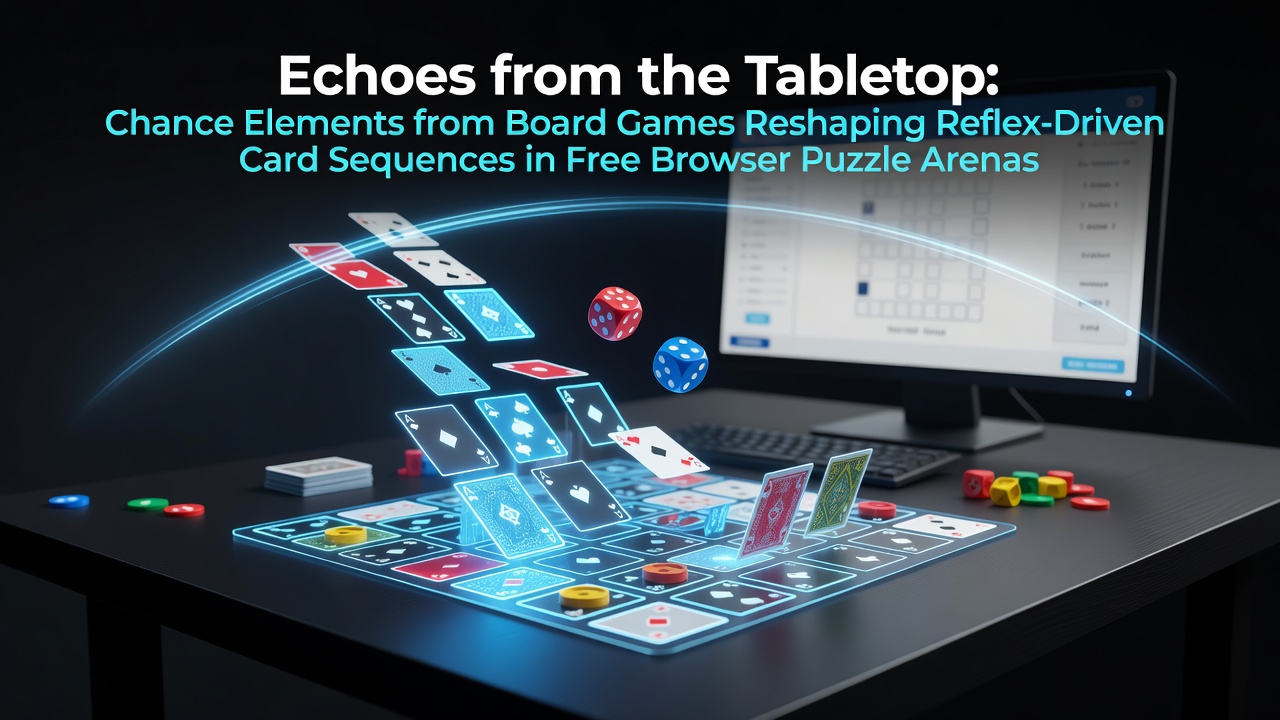
Echoes from the Tabletop: Chance Elements from Board Games Reshaping Reflex-Driven Card Sequences in Free Browser Puzzle Arenas
Board game traditions have long incorporated chance through dice rolls, shuffled decks, and random draws, and these elements now appear in free browser puzzle arenas where players execute rapid card sequences driven by reflexes rather than deliberation. Observers note that titles blending quick matching with probabilistic triggers draw directly from mechanics in games like Monopoly and Uno, yet adapt them for mouse-click or key-press timing in multiplayer sessions. Researchers discovered patterns where random card reveals interrupt reflex chains, forcing players to adjust sequences mid-action while maintaining competitive pace.
Historical Roots in Physical Chance Systems
Classic board games established foundational probability layers that digital adaptations preserve, with data from industry reports showing consistent migration of these features into browser formats since the early 2010s. For instance, card draws in games such as Risk introduced uncertainty that now manifests as pop-up sequences in puzzle arenas, where reflex responses must account for variable outcomes rather than fixed patterns. Experts have observed that developers integrate these by mapping physical shuffle algorithms to pseudorandom number generators, ensuring each browser session delivers fresh card orders that challenge muscle memory built through repeated play.
Those who've studied this evolution point to specific transfers, including the way board game event cards alter turn structures, which reappear in digital puzzles as timed interruptions during combo-building phases. According to findings from the Entertainment Software Association, browser-based puzzle genres experienced a 28 percent rise in hybrid mechanics between 2023 and 2025, with chance elements contributing to longer engagement metrics in free-to-play environments. This shift occurs because reflex-driven sequences gain depth when probabilistic cards introduce branching paths that reward both speed and adaptive decision-making.
Mechanics in Contemporary Browser Arenas
Free puzzle platforms currently host arenas where players chain card plays under time pressure, yet board-inspired chance elements reset or modify those chains unpredictably. One study revealed that sequences involving rapid color or number matching often embed hidden draw mechanics, similar to deck draws in traditional card games, compelling users to recalibrate reflexes on the fly. Data indicates these hybrids appear frequently in sessions lasting under ten minutes, aligning with browser accessibility patterns that favor short, repeatable engagements over extended campaigns.
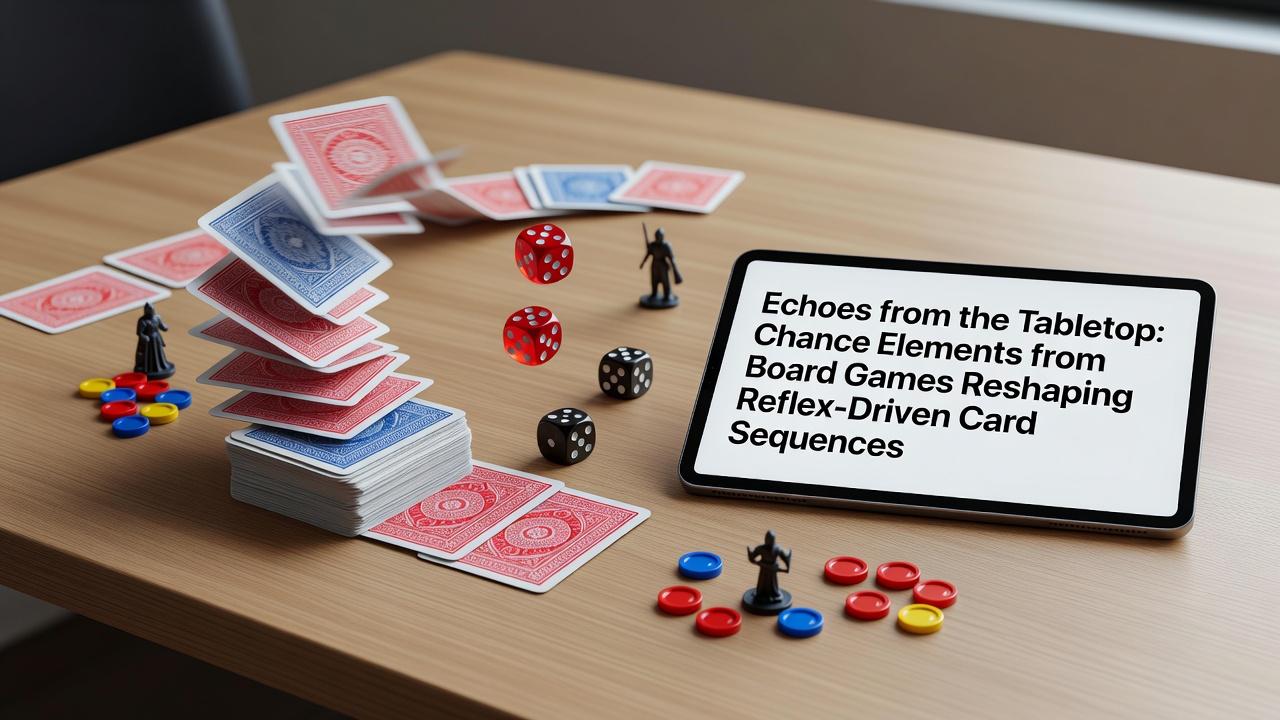
What's interesting is how visual feedback systems amplify the integration, with animations signaling random card reveals that demand immediate response adjustments. Researchers at institutions across North America documented cases where players in multiplayer lobbies adapted strategies from physical tabletops, such as holding certain cards for probabilistic events, directly into digital flows without tutorial prompts. In November 2026 several major browser platforms plan coordinated updates that expand these chance layers, incorporating more layered draws drawn from games like Catan to further diversify reflex sequences across global user bases.
Player Adaptation and Sequence Dynamics
Participants in these arenas frequently encounter situations where a reflex-initiated card play triggers a secondary random effect, mirroring board game rolls that change game state mid-turn. Evidence suggests this creates emergent skill sets focused on probabilistic anticipation, with session logs revealing higher completion rates among users who balance quick inputs with contingency planning. Industry organizations such as the International Game Developers Association tracked similar trends in reports covering 2024 through 2025, noting that chance integration correlates with increased retention in free formats because it prevents pure pattern repetition from dominating outcomes.
Observers note regional variations as well, with European and Asian browser titles emphasizing card sequence resets more than their North American counterparts, though core principles remain consistent across implementations. Turn structures evolve accordingly, blending continuous action loops with discrete chance resolutions that echo physical play without requiring physical components.
Conclusion
Chance elements originating in board games continue reshaping reflex-driven card sequences within free browser puzzle arenas through direct mechanical transfers and algorithmic adaptations. Research indicates sustained growth in these hybrids, supported by updates slated for November 2026 that promise expanded probabilistic features. Data from multiple regions confirms the pattern holds across player demographics, with sequence dynamics reflecting both speed demands and uncertainty factors inherited from tabletop origins.