Browser-Based Multiplayer Sessions Blend Reflex Challenges with Probabilistic Card Mechanics in Puzzle Formats
Noah Schmitt · Nov 8, 2026
Browser-Based Multiplayer Sessions Blend Reflex Challenges with Probabilistic Card Mechanics in Puzzle Formats
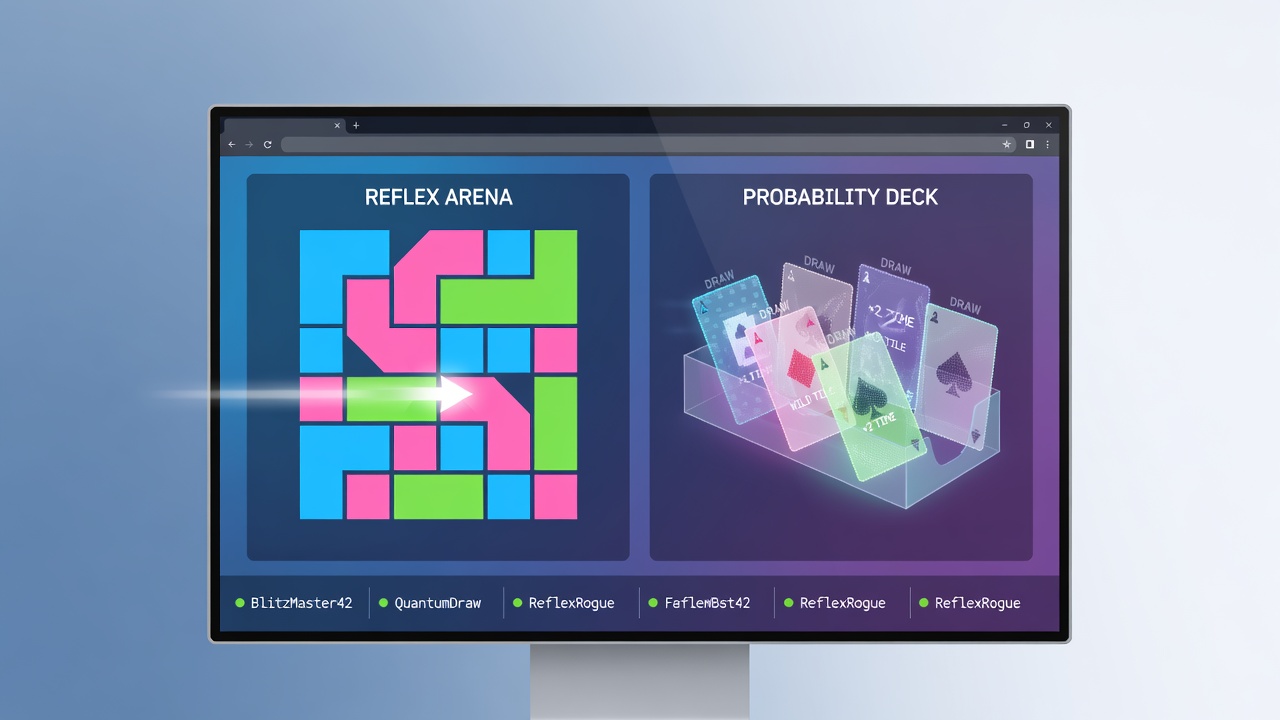
Browser platforms host multiplayer sessions that integrate rapid physical responses with hidden card-draw probabilities inside structured puzzle sequences, and these formats require participants to solve spatial or logical challenges while managing randomly revealed resources that shift available options mid-round.
Developers design these experiences around core loops where timing determines whether a player secures a key puzzle element before opponents intervene, yet the underlying card system introduces uncertainty because draws follow weighted distributions that researchers track through session logs and outcome data.
Core Interaction Patterns in Hybrid Sessions
Participants navigate real-time puzzle grids or object arrangements that demand precise mouse or keyboard inputs, and success often hinges on chaining actions within tight windows while a shared or personal deck supplies tools whose probabilities remain concealed until drawn. Observers note that sessions typically last between five and fifteen minutes per match, allowing multiple rounds within single browser tabs without requiring downloads or installations.
Card probabilities operate through algorithms that assign higher likelihoods to certain utility cards early in matches and lower chances for powerful variants later, which forces adaptive strategies as revealed cards alter the puzzle solution space. Data from platform telemetry shows that players who adjust their reflex timing based on recent draws achieve higher completion rates across repeated sessions.
Multiplayer Dynamics and Shared State Management
Multiple users connect simultaneously to the same puzzle instance, and their individual card draws occur independently yet influence a collective board state that updates in real time through WebSocket connections. One documented pattern involves cooperative variants where teammates combine drawn cards to unlock shared puzzle segments, whereas competitive modes pit reflex speeds against each other for limited card pools.
Research indicates that latency under 50 milliseconds supports the tight reflex requirements, and browser engines handle probabilistic calculations client-side before syncing results to maintain fairness. Figures reveal that sessions with four to eight participants generate the highest engagement metrics because card variance scales with group size and creates emergent tactical decisions.
Technical Foundations Supporting Probability and Reflex Integration
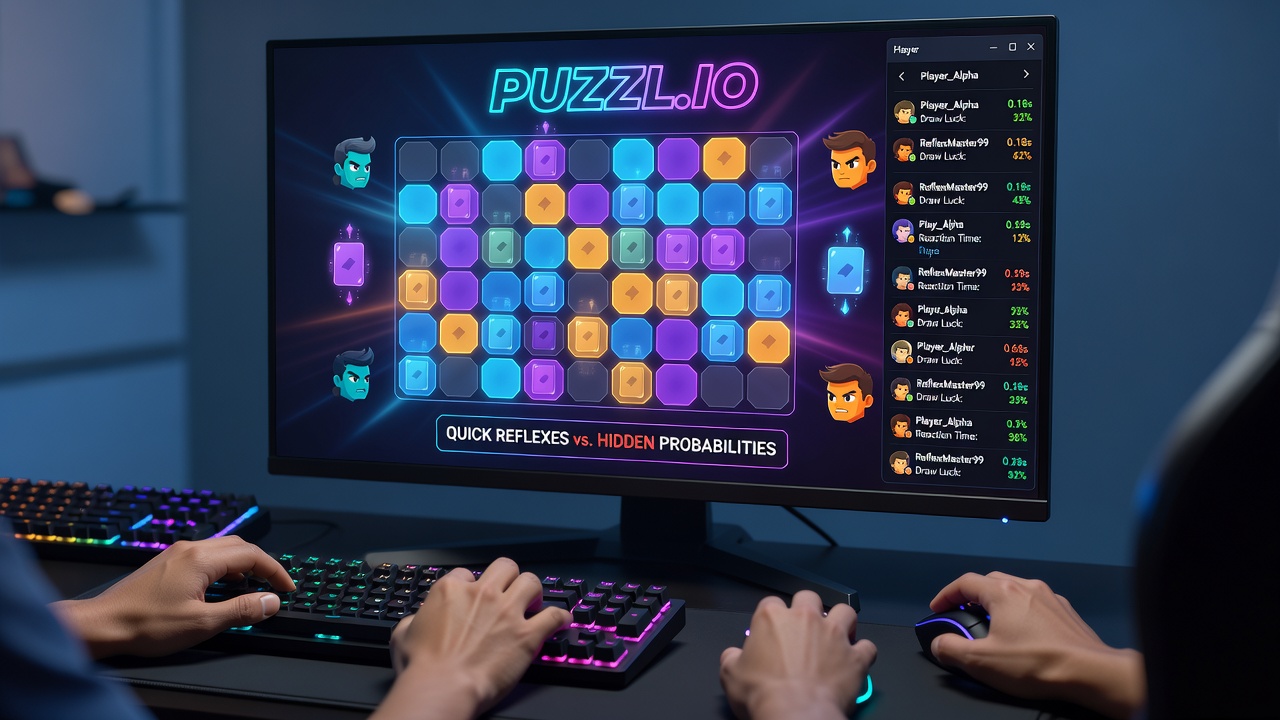
HTML5 canvas elements render the puzzle visuals while JavaScript handles both input polling for reflexes and pseudorandom number generation for card draws, and developers seed these functions with server-side values to prevent predictability. As of November 2026 several major browser releases incorporated improved timing APIs that reduce input jitter, enabling more consistent reflex performance across different devices and operating systems.
Industry reports from the Entertainment Software Association highlight that browser-based titles accounted for measurable portions of multiplayer puzzle traffic during recent periods, and these statistics include formats that combine card mechanics with action elements. External regulatory frameworks in regions such as Australia require clear disclosure of probability ranges in any session that incorporates randomized rewards, which influences how developers present card-draw information to users.
Observed Patterns in Player Adaptation and Session Flow
Those who study participation logs find that players frequently develop mental models of card distributions after repeated exposures, and they calibrate their reflex priorities accordingly when certain puzzle obstacles appear. Sessions often feature visual indicators that update probability estimates after each draw, providing information without revealing exact future outcomes.
Examples include puzzle stages where a reflex-based block placement must occur before a card draw resolves an environmental hazard, and failure to meet the timing window leaves the hazard active for subsequent players. Data shows these chained events increase session retention when probability transparency remains balanced with uncertainty.
Conclusion
Browser environments continue to support the convergence of reflex timing and hidden card probabilities within puzzle structures, and ongoing platform updates along with regional reporting standards shape how these sessions evolve. Metrics collected across multiple regions demonstrate sustained activity in formats that maintain clear separation between deterministic puzzle rules and randomized card outcomes.